Why Playground Builders Should Consider Maintenance Programs
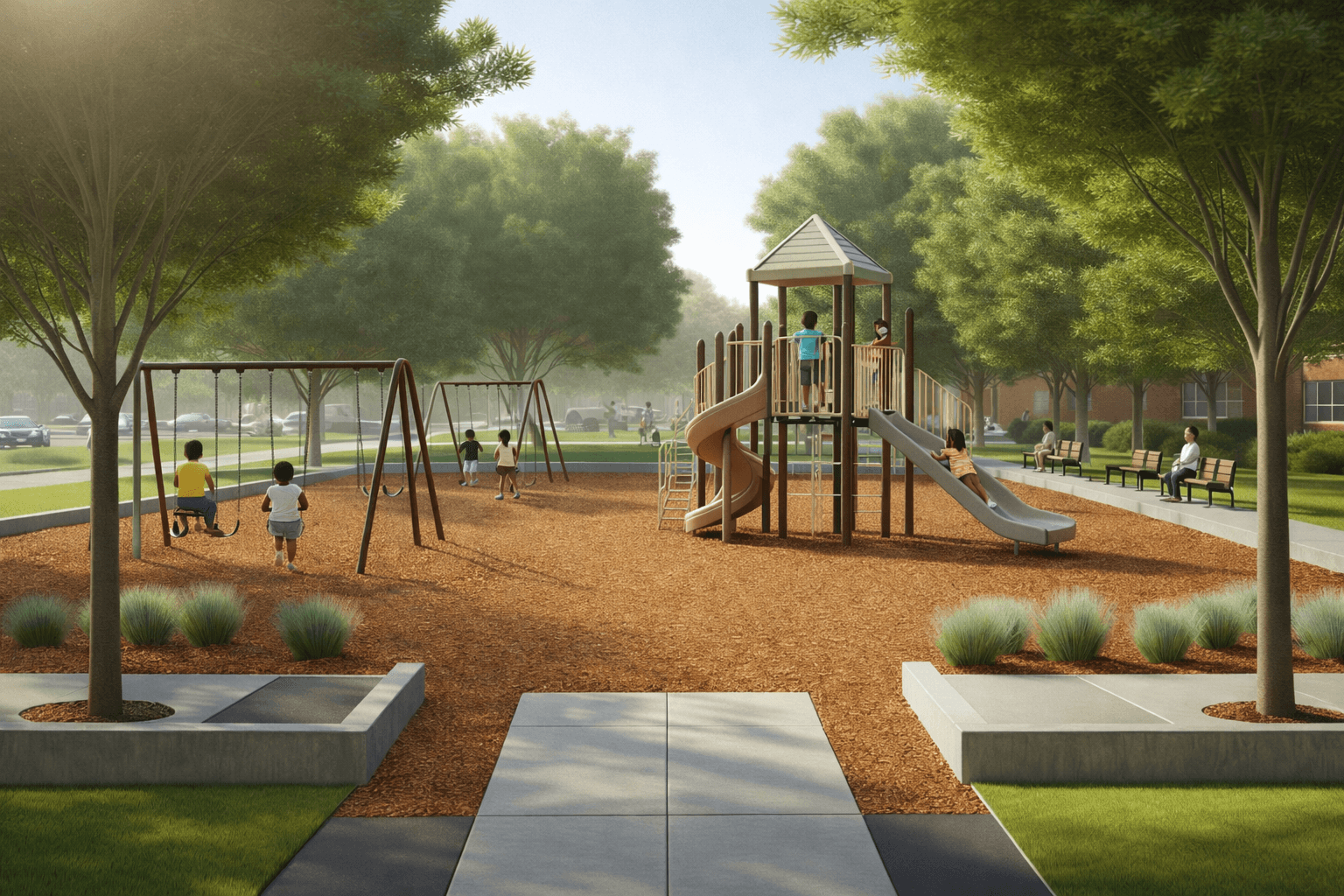
Playground construction represents just the beginning of a facility's lifecycle. Once installation wraps up, property managers face the ongoing challenge of maintaining proper mulch depth, addressing wear patterns, and ensuring continued compliance with ASTM F1292 standards. For playground builders, this reality presents an opportunity to extend client relationships beyond the initial project while generating predictable revenue through structured maintenance programs.
The shift from one-time installations to ongoing partnerships makes business sense for several reasons. Maintenance programs create recurring income streams that help smooth out seasonal variations in new construction projects. They also position builders as comprehensive playground partners rather than just installation contractors. When builders maintain direct involvement in playground upkeep, they can identify potential issues early and recommend solutions before problems escalate.
Most importantly, maintenance programs align builder expertise with client needs. Property managers often lack the specialized knowledge to assess mulch conditions or coordinate replacement schedules. By offering this service, builders leverage their existing relationships and technical understanding to solve a genuine problem.
Understanding Client Maintenance Challenges
Property managers across schools, parks, and daycare facilities face similar obstacles when managing playground surfaces independently. Budget approval processes can delay necessary maintenance, leading to compliance gaps during critical inspection periods. Vendor coordination becomes particularly complex when managers must gather quotes from multiple suppliers, compare different mulch specifications, and coordinate delivery schedules around facility operations.
Engineered wood fiber playground mulch requires specific handling and installation techniques that general landscaping contractors may not understand. Proper depth distribution, edge containment, and seasonal adjustment strategies all impact long-term performance. When maintenance gets deferred or handled incorrectly, the entire playground investment suffers.
These challenges create clear value propositions for builder-managed maintenance programs. Clients gain access to specialized knowledge, simplified vendor coordination, and proactive scheduling that prevents compliance emergencies. Builders can position themselves as the solution to these recurring pain points.
Structuring Effective Maintenance Programs
Successful maintenance programs balance client flexibility with operational efficiency for builders. Annual contracts with scheduled service visits work well for most applications, though some facilities benefit from seasonal or bi-annual arrangements depending on usage patterns and local climate conditions.
Program scope should address the complete maintenance cycle rather than just mulch delivery. This includes initial depth assessment, identification of high-wear areas, coordination of mulch removal where necessary, and proper installation of fresh engineered playground mulch nationwide. Builders can also incorporate filter fabric inspection and repair into these programs, ensuring the entire surfacing system maintains optimal performance.
Pricing structures need to reflect both predictable maintenance needs and unexpected requirements that may arise during service visits. Fixed annual fees provide budget certainty for clients while covering standard maintenance activities. Variable pricing for additional services like expanded coverage areas or emergency repairs keeps programs flexible without compromising builder profitability.
Communication protocols should establish clear expectations for service scheduling, progress updates, and compliance documentation. Many facilities require advance notice for maintenance activities to coordinate with daily operations or special events. Builders who develop efficient communication systems can differentiate their programs from less organized competitors.
Leveraging Technology for Program Management
Modern maintenance programs benefit significantly from digital coordination systems that simplify scheduling, pricing, and execution across multiple client sites. Rather than managing individual vendor relationships for each maintenance project, builders can work with platforms that handle the operational complexity of coordinating engineered wood fiber playground mulch delivery and installation across their entire client base.
This approach particularly benefits builders managing maintenance contracts across different geographic regions. Instead of developing separate supplier networks for each area, builders can leverage established delivery infrastructure while maintaining direct client relationships and program oversight.
Digital coordination also enables better program tracking and reporting. Clients receive consistent updates on service completion, compliance status, and upcoming maintenance schedules. Builders gain operational insights that help optimize program delivery and identify expansion opportunities within existing accounts.
Building Long-Term Client Relationships
Maintenance programs create multiple touchpoints throughout the year that strengthen builder-client relationships beyond initial construction projects. Regular service visits provide opportunities to assess overall playground conditions, discuss potential improvements, and identify future construction needs.
This ongoing engagement positions builders as trusted advisors rather than transactional vendors. When clients need playground expansions, equipment replacements, or new installations at additional sites, established maintenance relationships often translate into preferred vendor status for larger projects.
Successful programs also generate referral opportunities as satisfied clients recommend builders to peer facilities facing similar maintenance challenges. Word-of-mouth recommendations carry particular weight in education and municipal sectors where procurement decisions involve multiple stakeholders.
Implementation Strategies for Builders
Builders entering the maintenance market should start with existing clients who already understand their service quality and operational approach. These relationships provide lower-risk opportunities to develop program procedures and pricing models before expanding to new prospects.
Pilot programs with select clients can help builders understand the operational requirements of ongoing maintenance coordination. This experience proves valuable when developing standardized program offerings for broader market deployment.
Marketing maintenance programs requires different messaging than construction services. Focus on convenience, compliance assurance, and budget predictability rather than technical specifications or installation capabilities. Decision-makers for maintenance programs often prioritize operational simplicity over technical features.
Conclusion
Maintenance programs represent a natural evolution for playground builders looking to deepen client relationships while generating predictable revenue streams. By addressing genuine client pain points around vendor coordination, compliance management, and technical expertise, builders can position themselves as comprehensive playground partners.
GetMulch.com supports builders in developing and managing these programs by handling the operational complexity of coordinating affordable playground mulch solutions across multiple client sites. Our platform manages the full project lifecycle for both installation and delivery services, enabling builders to focus on client relationships while ensuring consistent program execution through our network of local partners.