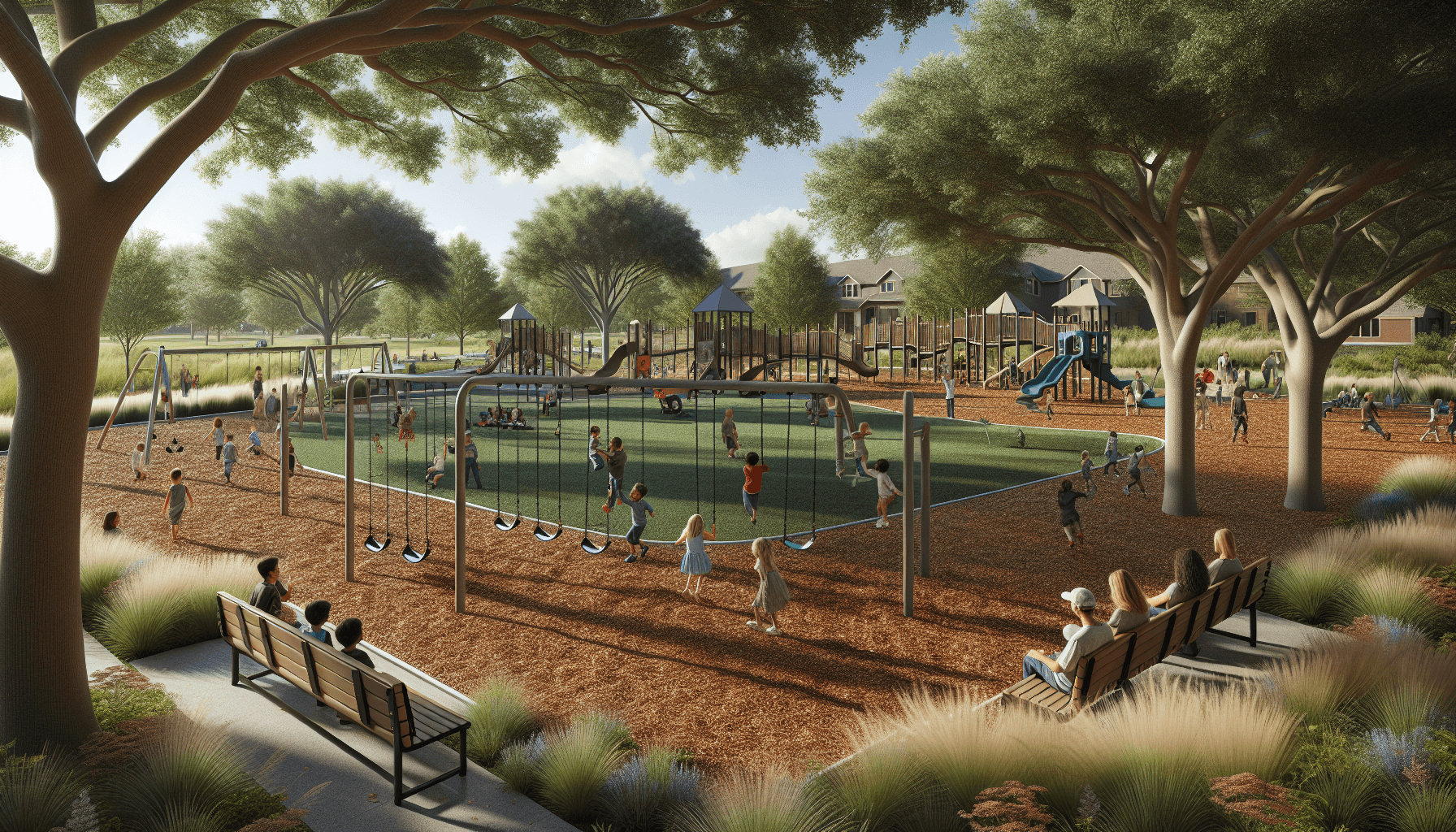
The Hidden Environmental Story Behind Every Playground
Walk through any community playground today, and you'll see children laughing, swinging, and climbing with abandon. What you might not notice is the environmental story unfolding beneath their feet. The choice of playground surfacing material creates ripple effects that extend far beyond immediate safety considerations, influencing everything from local ecosystems to carbon footprint reduction.
For facility managers and playground operators, understanding these environmental implications has become increasingly important. Not only do sustainable surfacing choices support community environmental goals, but they often provide practical advantages that traditional materials simply can't match.
The Underground Advantage
Engineered wood fiber playground mulch offers a unique environmental benefit that synthetic alternatives cannot provide: carbon sequestration. As organic material, properly processed playground mulch continues to store carbon even after installation, essentially locking away atmospheric CO₂ in a stable form.
The numbers tell an impressive story. According to research from forestry management studies, wood-based playground surfaces can remove approximately 2–3 tons of CO₂ equivalent per 1,000 square feet over their operational lifespan. This figure becomes particularly significant when multiplied across the thousands of playgrounds that choose wood fiber surfacing annually.
Sustainable Material Sourcing Creates Multiple Benefits
Quality playground mulch suppliers often source materials from forestry operations that practice sustainable harvesting methods. This approach creates a beneficial cycle where playground installations support responsible forest management while providing safe surfacing solutions.
Consider the sourcing process for IPEMA-certified playground mulch. The raw materials typically come from timber operations where wood fiber represents a byproduct of lumber production. Instead of burning or discarding this material, it gets processed into engineered playground surfacing. This approach maximizes resource utilization while reducing waste in the forestry supply chain.
The processing methods used for certified playground mulch also contribute to environmental benefits. Modern manufacturing techniques minimize energy consumption while ensuring consistent particle size and safety compliance. When you work with GetMulch.com, our pre-vetted providers follow these sustainable processing standards, ensuring that environmental responsibility aligns with safety performance.
Water Management and Soil Health Benefits
Beyond carbon considerations, playground mulch creates significant advantages for local water management and soil health. Unlike impermeable surfaces such as rubber mats or poured-in-place options, wood fiber surfacing allows natural water infiltration while providing excellent drainage characteristics.
This permeability serves multiple environmental functions. Rainwater filters through the mulch layer gradually, reducing stormwater runoff that can overwhelm municipal drainage systems. The organic material also acts as a natural filter, removing pollutants from water before it reaches groundwater supplies.
Long-Term Soil Enhancement
As engineered playground mulch ages, it undergoes natural decomposition processes that enrich the underlying soil. This gradual breakdown releases nutrients that support plant growth in adjacent areas, creating healthier landscapes around playground installations.
The facility director explained that this soil improvement came as an unexpected bonus. They had chosen playground mulch primarily for safety and cost considerations, but the environmental benefits became increasingly apparent over time. The natural decomposition process meant they could maintain safety depths with periodic top-dressing while continuously improving the site's overall environmental health.
Lifecycle Environmental Impact Analysis
When evaluating playground mulch pricing, it's essential to consider the complete environmental lifecycle, not just initial installation costs. Wood fiber surfacing offers compelling advantages when viewed through this comprehensive lens.
Manufacturing synthetic playground surfaces requires significant energy inputs and chemical processes. Rubber surfacing, for example, involves vulcanization processes that consume substantial energy and create industrial byproducts. In contrast, engineered playground mulch production relies primarily on mechanical processing with minimal chemical inputs.
Transportation impacts also favor wood fiber solutions in many regions. Because quality suppliers often source materials regionally, transportation distances remain shorter compared to synthetic products manufactured in centralized facilities. This geographic advantage becomes particularly pronounced when considering engineered playground mulch nationwide distribution patterns.
End-of-Life Considerations
Perhaps most significantly, playground mulch offers superior end-of-life environmental performance. When wood fiber surfacing reaches the end of its useful life, it can be composted or incorporated into soil amendment programs. This natural disposal process creates zero waste while contributing to soil health in other applications.
Synthetic alternatives present more complex disposal challenges. Rubber surfacing typically requires specialized recycling processes or ends up in landfills where it persists indefinitely. The environmental cost of disposal adds significantly to the total lifecycle impact of these materials.
Supporting Local Ecosystems
Quality playground mulch installations create microhabitat benefits that support local wildlife and plant communities. The organic material provides habitat for beneficial insects and soil organisms, contributing to biodiversity even in developed areas.
Schools have reported increased bird activity around playgrounds with wood fiber surfacing, as these areas attract insects that serve as food sources. While maintaining appropriate boundaries for safety zones, the organic surfacing creates more natural transitions between playground areas and surrounding landscapes.
The permeability of wood fiber surfacing also prevents the heat island effects common with synthetic surfaces. On hot summer days, playground mulch remains significantly cooler than rubber alternatives, reducing local temperature elevation and creating more comfortable play environments.
Practical Implementation for Maximum Environmental Benefits
Achieving optimal environmental benefits from playground surfacing requires proper installation and maintenance practices. Working with experienced providers ensures that environmental advantages translate into real-world performance.
GetMulch.com handles all aspects of provider selection and project management, ensuring that installations meet both safety requirements and environmental best practices. Our pre-vetted providers understand how proper depth, drainage, and containment systems maximize both safety performance and environmental benefits.
The installation process itself can minimize environmental disruption. Experienced providers plan site preparation to preserve existing vegetation where possible and minimize soil compaction that could affect drainage patterns. Proper edge containment systems ensure that mulch stays in designated safety zones while allowing natural integration with surrounding landscapes.
Maintenance Strategies That Enhance Environmental Benefits
Regular maintenance practices can amplify the environmental advantages of playground mulch installations. Periodic top-dressing with fresh material supports continued carbon sequestration while maintaining safety depths. Proper moisture management prevents material loss while supporting natural decomposition processes.
Integrated landscape management around playground areas can maximize soil health benefits. As decomposing mulch enriches soil in transition zones, thoughtful plantings can create natural boundaries while supporting local ecosystems.
The Future of Sustainable Playground Design
Environmental considerations in playground design continue to evolve, with wood fiber surfacing positioned as a key component of sustainable outdoor spaces. New processing techniques and sourcing methods promise even greater environmental benefits while maintaining the safety performance that playground operators require.
Research into enhanced organic surfacing materials explores ways to optimize carbon sequestration and soil health benefits. These developments suggest that future playground installations will create even more significant positive environmental impacts.
For facility managers planning playground projects today, choosing certified playground mulch represents a practical step toward environmental responsibility without compromising safety or budget considerations. The cumulative impact of these decisions creates meaningful environmental benefits at both local and regional scales.
GetMulch.com simplifies the process of accessing these environmental benefits by connecting you with pre-vetted providers who understand both safety requirements and sustainable practices. Our platform provides transparent pricing and project management that ensures your playground installation creates lasting positive impacts for both children and the environment.