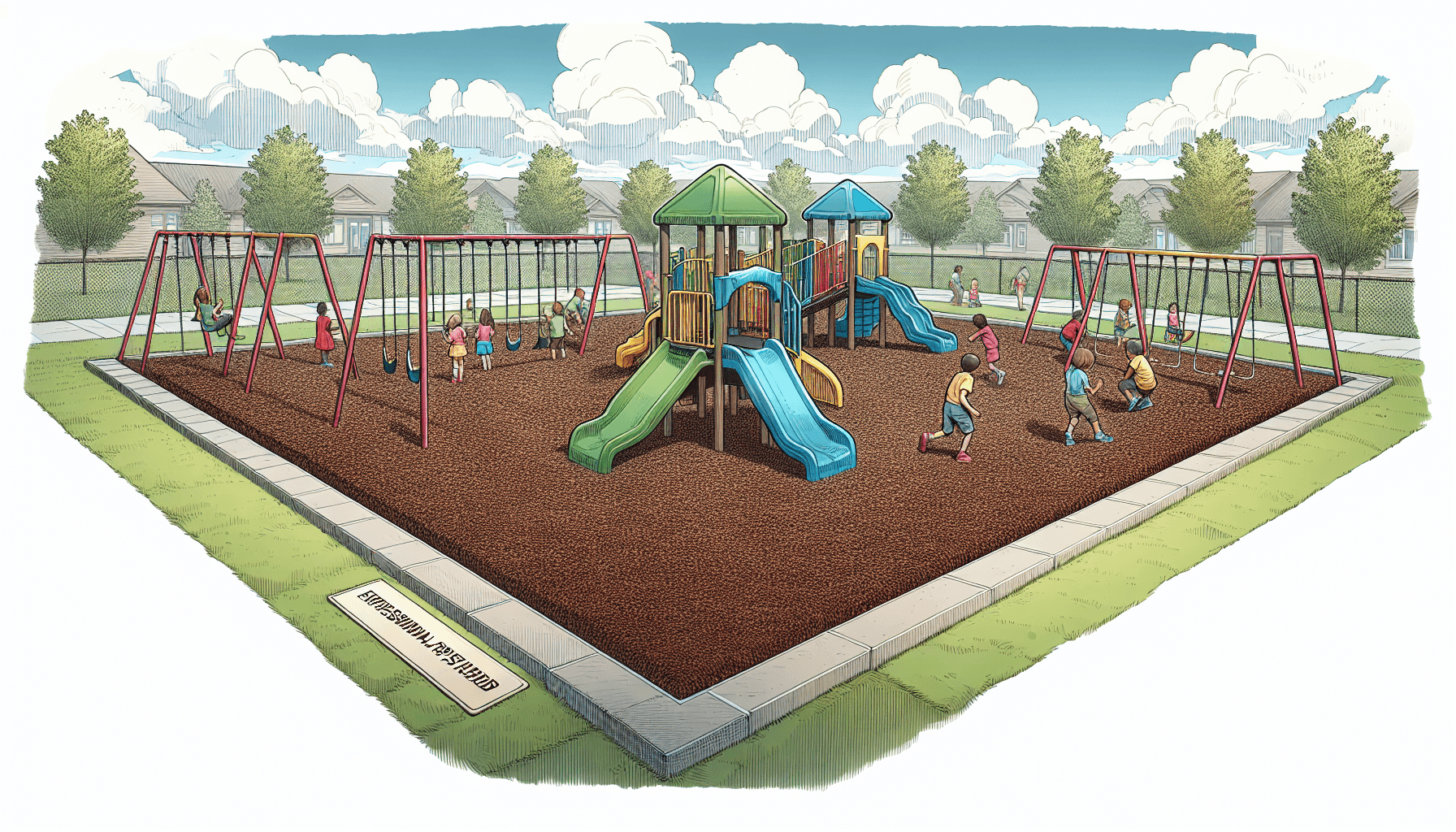
Understanding the Components of Playground Mulch Installation Costs
Creating an accurate budget for playground mulch installation requires understanding the various cost components involved in the process. Many facility managers and playground builders underestimate the full scope of expenses, leading to budget shortfalls that can delay projects or compromise safety standards.
The primary cost components include material expenses, delivery fees, installation labor, site preparation requirements, and ongoing maintenance considerations. Material costs vary significantly based on mulch type, with engineered wood fiber typically commanding higher prices than standard playground mulch due to its enhanced safety properties and ASTM F1292 compliance testing.
Delivery expenses depend heavily on project location, quantity ordered, and accessibility of the installation site. Sites requiring specialized equipment or longer hose runs from delivery trucks will incur additional charges. Installation labor costs fluctuate based on regional wage rates, project complexity, and timeline requirements.
Regional Cost Variations and Delivery Considerations
Playground mulch delivery and install costs vary considerably across different geographic regions. Urban areas with higher labor costs and limited truck access often see premium pricing, while rural locations may face increased delivery charges due to distance from material sources.
Transportation logistics play a crucial role in overall project expenses. Facilities located near major highways or distribution centers benefit from more competitive delivery rates, while remote locations may require additional fuel surcharges or specialized routing. The availability of local installation crews also impacts pricing, as projects in underserved markets may require crews to travel longer distances.
Seasonal demand fluctuations affect pricing throughout the year. Spring installation projects typically face higher costs due to increased demand, while fall and winter installations may offer cost advantages. Planning installation timing strategically can result in meaningful budget savings without compromising project quality.
Calculating Material Quantities and Specifications
Accurate material quantity calculations form the foundation of reliable budget estimates. Playground surfaces require specific depth measurements to meet ASTM F1292 fall height requirements, typically ranging from 6 to 12 inches depending on equipment height and mulch type specifications.
Engineered playground mulch nationwide pricing reflects the premium quality and testing standards required for optimal safety performance. These materials undergo rigorous testing procedures and maintain consistent particle size distributions that impact both initial costs and long-term value.
Site measurement accuracy directly affects material ordering precision. Underestimating quantities leads to additional delivery charges for supplemental materials, while overordering results in wasted budget allocation. Professional site assessments help ensure accurate calculations that account for play zone boundaries, equipment footprints, and required safety clearances.
Planning for Site Preparation and Installation Variables
Site preparation requirements significantly impact overall project budgets. New installations may require excavation, grading, or drainage improvements that add substantial costs to base estimates. Existing playgrounds needing mulch replacement might require debris removal or surface preparation work.
Filter fabric installation, while optional, provides long-term value through weed suppression and improved drainage. The initial investment in proper ground preparation reduces ongoing maintenance expenses and extends mulch service life. Facilities should weigh upfront preparation costs against long-term maintenance savings when developing comprehensive budgets.
Access limitations at installation sites create additional cost considerations. Playgrounds surrounded by buildings, fencing, or landscaping features may require smaller equipment or manual installation methods that increase labor expenses. Identifying these constraints during initial planning prevents budget surprises during project execution.
Maintenance and Replacement Budget Planning
Effective budgeting extends beyond initial installation to encompass ongoing maintenance and eventual replacement costs. Playground mulch requires periodic replenishment to maintain proper depth levels and safety compliance. Annual maintenance budgets should allocate funds for depth assessments, contamination removal, and supplemental material additions.
Replacement cycles vary based on usage intensity, weather exposure, and mulch quality specifications. High-traffic playgrounds may require complete replacement every 2-3 years, while lower-usage facilities might extend replacement intervals to 4-5 years. Understanding these cycles helps facilities plan capital expenditures and avoid emergency replacements that carry premium pricing.
Compliance monitoring represents an ongoing budget consideration that facilities must address. Regular safety inspections and depth measurements ensure continued ASTM standard compliance but require dedicated resources or professional inspection services. Building these costs into annual operating budgets prevents safety compliance gaps.
Leveraging Technology Platforms for Budget Accuracy
Nationwide playground mulch delivery platforms provide valuable tools for accurate budget development through standardized pricing and comprehensive project scoping. These systems eliminate the time-consuming process of gathering multiple quotes while providing transparent pricing information that supports reliable budget planning.
Real-time pricing capabilities allow facility managers to evaluate different material options and installation timelines within their budget constraints. The ability to compare costs across various mulch types and installation specifications helps optimize value while maintaining safety requirements.
Streamlined project management through integrated platforms reduces administrative costs associated with vendor coordination and project oversight. When a single platform manages the entire installation process, facilities avoid the hidden costs of coordinating multiple vendors and managing complex logistics independently.
Making Strategic Budget Decisions
Successful playground mulch budgeting requires balancing immediate cost considerations with long-term value propositions. While premium materials and installation services command higher upfront investments, they often provide superior safety performance and extended service life that reduce total cost of ownership.
Facilities should evaluate budget allocation between initial installation quality and ongoing maintenance resources. Investing in proper installation techniques and quality materials reduces long-term maintenance requirements, while economical installations may require more frequent attention and replacement.
GetMulch.com operates a comprehensive platform that manages playground mulch delivery and install projects nationwide, providing facility managers with transparent pricing and coordinated project execution. The platform's managed network of local installation partners ensures consistent quality standards while eliminating the complexity of vendor management, helping facilities achieve predictable budgets and reliable project outcomes.