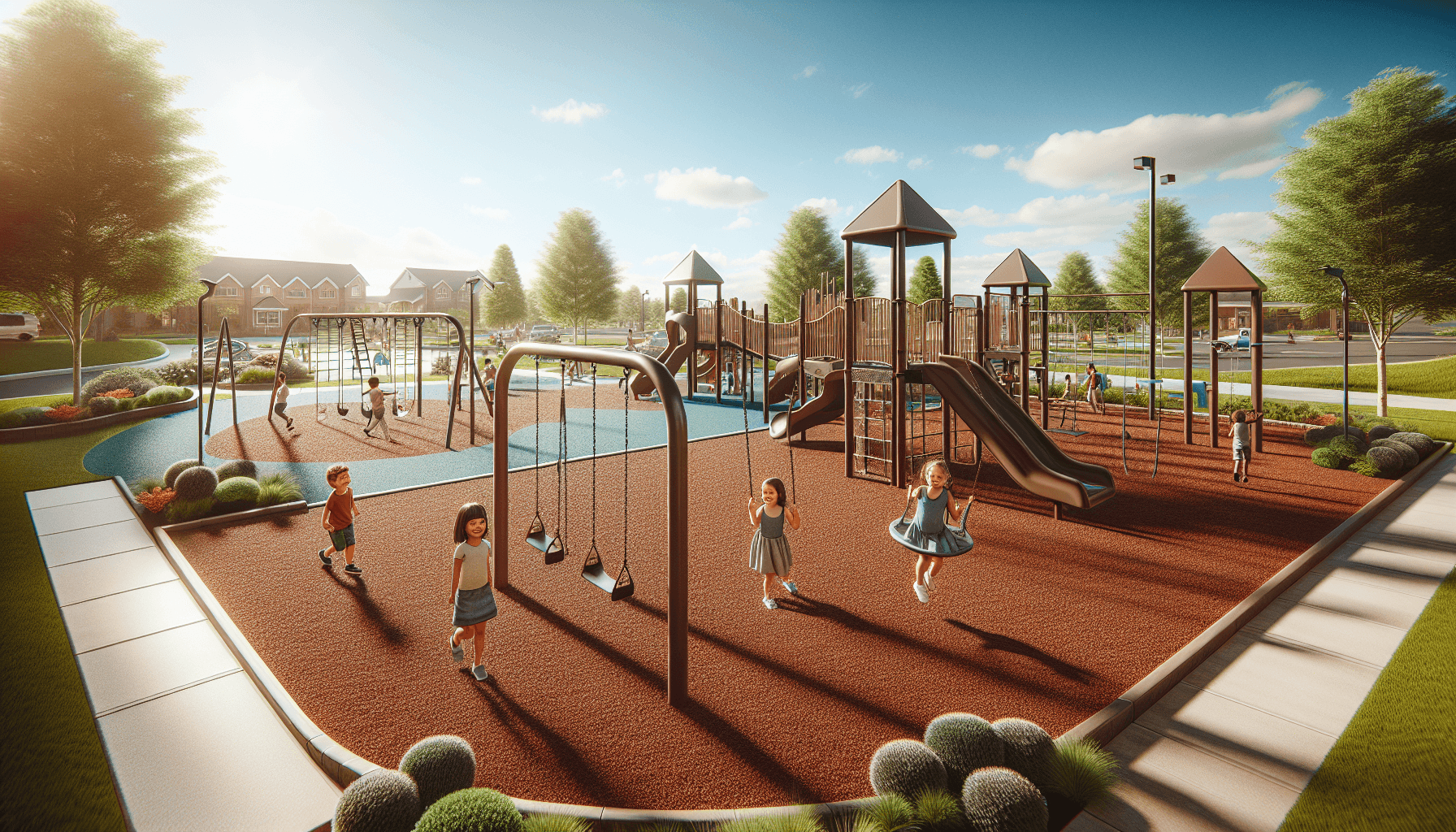
The Foundation of Playground Safety Starts with Your Checklist
Playground maintenance encompasses numerous components, from inspecting swing chains to checking for loose bolts on climbing structures. However, one critical element often receives insufficient attention during routine inspections: the playground surfacing. Mulch serves as the primary protective barrier between children and serious injuries, making it essential to include comprehensive mulch evaluation in every maintenance protocol.
Facility managers and school administrators frequently focus on visible equipment issues while overlooking gradual changes in mulch depth and quality. This oversight can lead to compliance violations and increased injury risk, particularly in high-traffic areas where mulch displacement occurs naturally over time. A systematic approach to mulch inspection ensures that safety standards remain consistent throughout the year.
Essential Mulch Inspection Points
Effective playground maintenance begins with understanding what to evaluate during each inspection cycle. Mulch depth represents the most critical measurement, as insufficient coverage directly impacts fall attenuation performance. ASTM standards specify minimum depth requirements based on equipment height, typically ranging from six to twelve inches depending on the fall height of playground structures.
Coverage consistency across the entire play zone requires careful attention during inspections. High-use areas beneath swings and at the base of slides experience accelerated mulch displacement, creating thin spots that may not provide adequate protection. Regular measurement using a probe or ruler helps identify these problem areas before they become safety hazards.
Mulch quality assessment involves examining the material for signs of decomposition, contamination, or foreign objects. Organic playground mulch naturally breaks down over time, creating fine particles that reduce the effectiveness of impact absorption. When mulch begins showing significant decomposition, replacement becomes necessary to maintain proper safety performance.
Creating Your Maintenance Schedule
Successful playground maintenance relies on consistent scheduling that addresses both immediate needs and long-term surfacing requirements. Monthly inspections should include basic mulch depth measurements and visual assessments of coverage uniformity. These routine checks allow facility managers to identify developing issues before they require emergency intervention.
Seasonal maintenance provides opportunities for more comprehensive mulch evaluation and redistribution. Spring inspections often reveal winter damage from snow removal equipment or settling that occurred during freeze-thaw cycles. Fall maintenance helps prepare surfacing for winter weather while addressing wear patterns that developed during heavy summer usage.
Annual mulch replacement planning ensures that bulk playground mulch for schools arrives when needed rather than during emergency situations. Proactive scheduling allows administrators to budget appropriately while securing favorable playground mulch pricing through advance planning. This approach also ensures that replacement occurs during optimal weather conditions and school schedules.
Documentation and Compliance Tracking
Maintaining detailed records of playground inspections supports both safety compliance and liability protection. Documentation should include specific measurements of mulch depth at various locations, notes about coverage uniformity, and photographs showing overall conditions. This information helps track changes over time and provides evidence of diligent maintenance practices.
Compliance with ASTM and IPEMA standards requires ongoing attention to mulch performance characteristics. Regular testing of fall attenuation properties may be necessary, particularly for playgrounds serving large numbers of children. Professional assessment can determine whether existing mulch continues meeting safety requirements or requires replacement to maintain compliance.
Budgeting for mulch maintenance becomes more accurate when based on documented usage patterns and replacement cycles. Historical data helps predict when additional material will be needed and allows administrators to plan for bulk purchases that reduce per-unit costs. This information proves valuable when developing annual maintenance budgets and capital improvement plans.
Streamlining Mulch Procurement
Traditional mulch procurement often involves soliciting multiple quotes, coordinating delivery schedules, and managing various vendor relationships. This process can consume significant administrative time while creating uncertainty about material availability and pricing. Modern procurement approaches simplify these challenges through centralized platforms that handle logistics coordination.
The ability to buy playground mulch online eliminates many traditional procurement complications while providing transparent pricing and scheduling options. Digital platforms can offer real-time availability information and standardized specifications that ensure consistent material quality across multiple orders. This approach reduces the administrative burden on facility managers while maintaining reliable supply chains.
Vendor management becomes less complex when working with platforms that coordinate multiple local providers rather than managing individual supplier relationships. A single point of contact can handle everything from initial quotes through final installation, reducing communication overhead and ensuring accountability throughout the process.
Long-term Maintenance Strategy
Developing a comprehensive long-term strategy for playground mulch maintenance helps optimize both safety outcomes and budget allocation. Regular maintenance extends the useful life of playground surfacing while reducing the frequency of complete replacement projects. Strategic planning also allows facilities to take advantage of bulk purchasing opportunities and favorable seasonal pricing.
Integrating mulch maintenance with broader facility management systems ensures that playground needs receive appropriate attention within overall maintenance schedules. This coordination helps prevent conflicts between different maintenance activities while ensuring that playground safety remains a priority throughout the year.
GetMulch.com operates as the central coordinator for playground mulch installation and bulk delivery, managing the complete project lifecycle from initial planning through final completion. The platform maintains a network of pre-vetted local partners while serving as the single point of accountability for schools, daycares, and facility managers nationwide. This comprehensive approach ensures that playground maintenance needs are met efficiently while maintaining consistent quality standards across all installations.