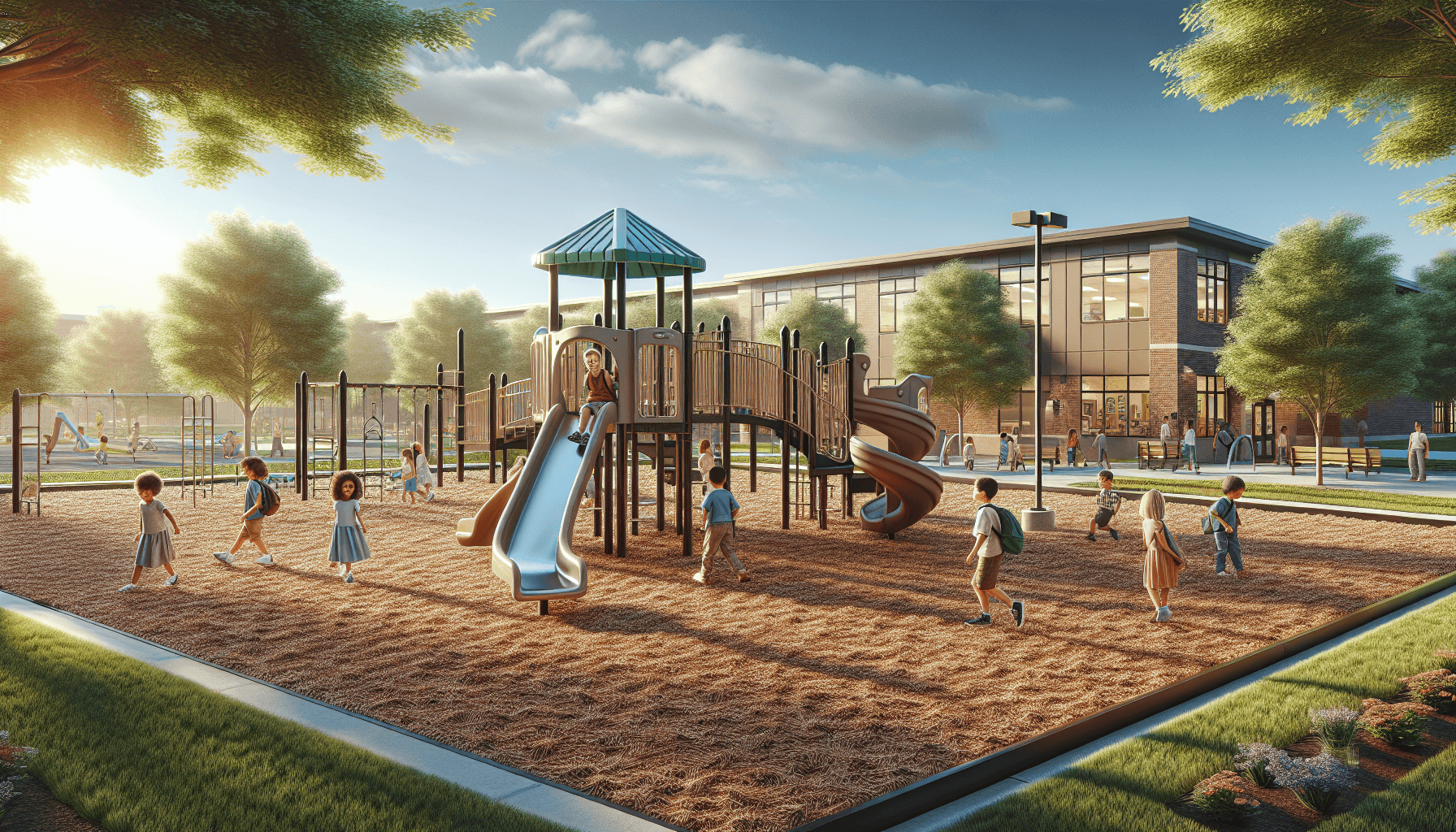
Understanding Engineered Wood Fiber as a Safety Surface
Engineered wood fiber represents a significant advancement in playground safety surfacing. Unlike traditional wood chips or shredded bark, this specialized material undergoes controlled processing to create consistent particle sizes and optimal impact-absorption properties. The manufacturing process removes harmful elements while preserving the natural cushioning characteristics that make wood fiber an effective fall surface.
Facility managers and playground builders often encounter confusion about the differences between various wood-based surfacing options. Engineered wood fiber stands apart because it meets specific ASTM F1292 standards for impact attenuation and ASTM F2075 specifications for accessibility. These standards ensure the material provides adequate protection for children while maintaining walkable surfaces for users with mobility devices.
The composition of quality engineered wood fiber includes hardwood and softwood materials processed to specific size gradations. This careful balance creates a surface that compacts appropriately without becoming too dense, maintaining both safety and accessibility over time. When properly installed through a professional playground mulch installation service, engineered wood fiber creates a resilient safety zone that adapts to weather conditions while preserving its protective qualities.
Critical Fall Height Protection Requirements
The primary safety function of engineered wood fiber involves absorbing impact energy from falls. ASTM F1292 testing determines the critical fall height that different depths of material can safely accommodate. For engineered wood fiber, proper depth installation directly correlates with the maximum equipment height it can protect.
At six inches deep, engineered wood fiber typically provides protection for equipment up to six feet in height. Increasing the depth to nine inches extends protection for equipment reaching eight to nine feet. However, these calculations depend on proper installation techniques and ongoing maintenance to preserve the material's impact-absorption properties.
Playground equipment manufacturers specify fall zone requirements based on the height and type of equipment. Slides, climbing structures, and swings each create different fall patterns that influence surfacing needs. School administrators and facility managers must coordinate these requirements with their surfacing installation to ensure comprehensive protection across the entire play area.
Bulk playground mulch for schools often includes engineered wood fiber specifically because it meets the rigorous safety standards required for educational facilities. The material's testing documentation and compliance certifications simplify the approval process for school districts managing multiple playground installations or renovations.
Installation Depth and Maintenance Considerations
Proper installation of engineered wood fiber requires attention to both initial depth and long-term maintenance planning. The material naturally settles and compacts over time, particularly in high-traffic areas around popular equipment. This settling process can reduce the effective depth below safety requirements if not monitored and addressed.
Professional installation typically includes site preparation, proper drainage consideration, and strategic depth distribution based on equipment fall zones. Areas beneath swings and slide exits require particular attention since these locations experience concentrated impact and traffic. The installation process also involves creating proper transitions between different depth zones and ensuring accessibility compliance throughout the playground.
Maintenance requirements for engineered wood fiber include regular depth monitoring, periodic material addition, and seasonal preparation. Weather conditions affect the material differently throughout the year, with freeze-thaw cycles potentially creating compaction issues in northern climates. Rain and moisture can cause temporary changes in impact absorption, though properly installed material typically drains effectively.
Facility managers benefit from establishing maintenance schedules that include depth measurements at key locations. These measurements help identify when additional material is needed before safety compliance becomes compromised. Professional playground mulch installation services often include guidance on maintenance timing and material quantities for ongoing compliance.
Compliance Benefits and Documentation
Certified playground safety mulch provides facility managers with essential documentation for liability protection and regulatory compliance. This certification process includes testing verification, material composition analysis, and ongoing quality assurance measures. The documentation trail becomes particularly important for schools, daycares, and public facilities subject to safety inspections.
IPEMA certification adds another layer of assurance for playground surfacing materials. The International Play Equipment Manufacturers Association provides third-party verification that materials meet or exceed ASTM standards. This certification simplifies the specification process for playground builders and provides facility managers with confidence in their surfacing choices.
Insurance requirements increasingly recognize the importance of certified playground surfacing. Many liability policies include specific language about safety surfacing compliance, making proper material selection and installation a financial consideration beyond immediate safety concerns. The documentation provided with certified materials supports insurance claims and demonstrates due diligence in safety planning.
Regular compliance monitoring involves both visual inspections and depth measurements. Professional installation services often provide initial compliance documentation and guidance for ongoing monitoring procedures. This support helps facility managers maintain safety standards while managing their broader facility responsibilities.
Long-Term Performance and Cost Effectiveness
Engineered wood fiber offers favorable long-term performance characteristics compared to alternative playground surfacing options. The material's natural composition allows it to weather gradually while maintaining safety properties when properly maintained. This performance profile creates predictable replacement and maintenance costs for budget planning purposes.
Color retention and aesthetic appeal contribute to the material's overall value proposition. Engineered wood fiber maintains a natural appearance that complements most playground designs while avoiding the artificial look of synthetic alternatives. The material's earth-tone coloration helps hide minor debris and wear patterns between maintenance cycles.
Environmental considerations also support the long-term viability of engineered wood fiber. The material is biodegradable and renewable, aligning with sustainability goals for educational and public facilities. When replacement becomes necessary, the material can be composted or recycled rather than requiring disposal in landfills.
Cost comparison analysis should include both initial installation expenses and ongoing maintenance requirements. While engineered wood fiber may require periodic replenishment, its compliance documentation and proven safety performance often justify the investment for facilities prioritizing child safety and regulatory compliance.
Professional Installation and Network Management
GetMulch.com manages engineered wood fiber installations through a nationwide network of pre-vetted local partners, ensuring consistent quality and compliance across all projects. The platform handles project planning, material sourcing, and installation coordination while serving as the single point of accountability from initial quote through job completion. This managed approach eliminates the complexity of coordinating multiple vendors while guaranteeing proper installation techniques and certified playground safety mulch materials for every project.